
Description
Fire-retardant MDF: where the specification is set by the building code
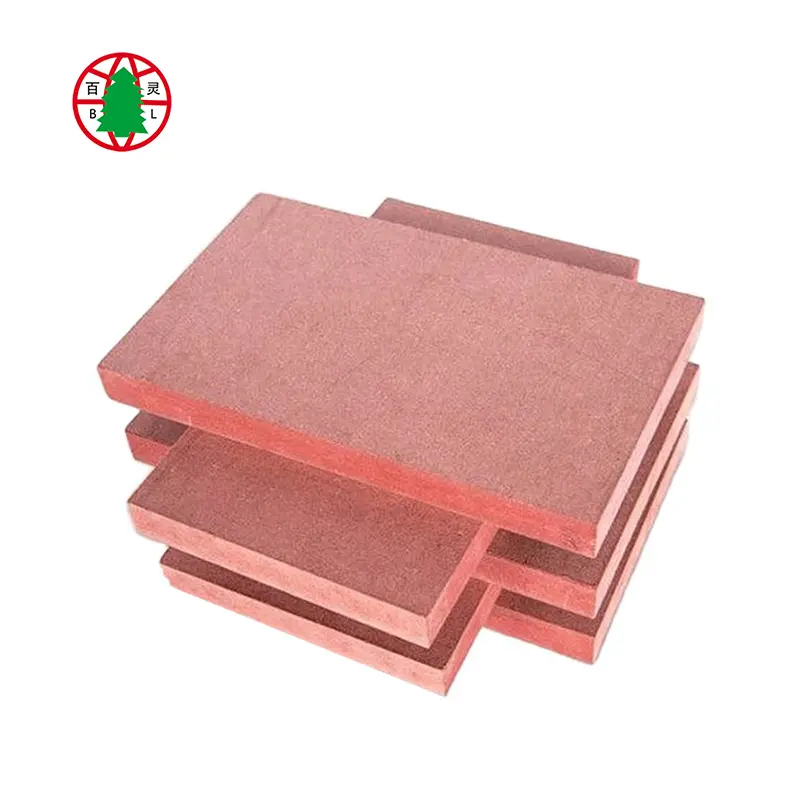
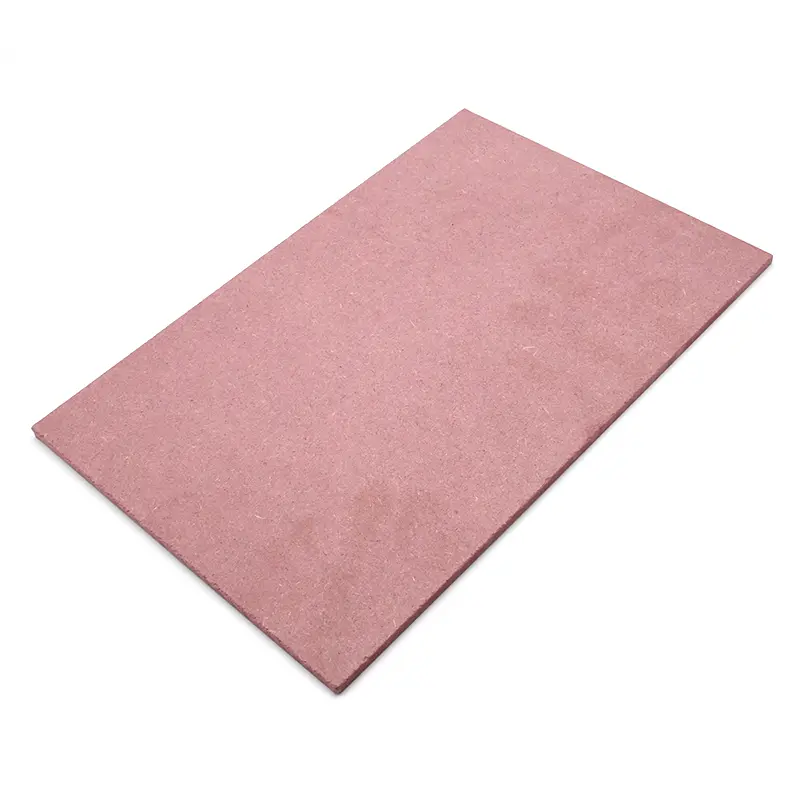
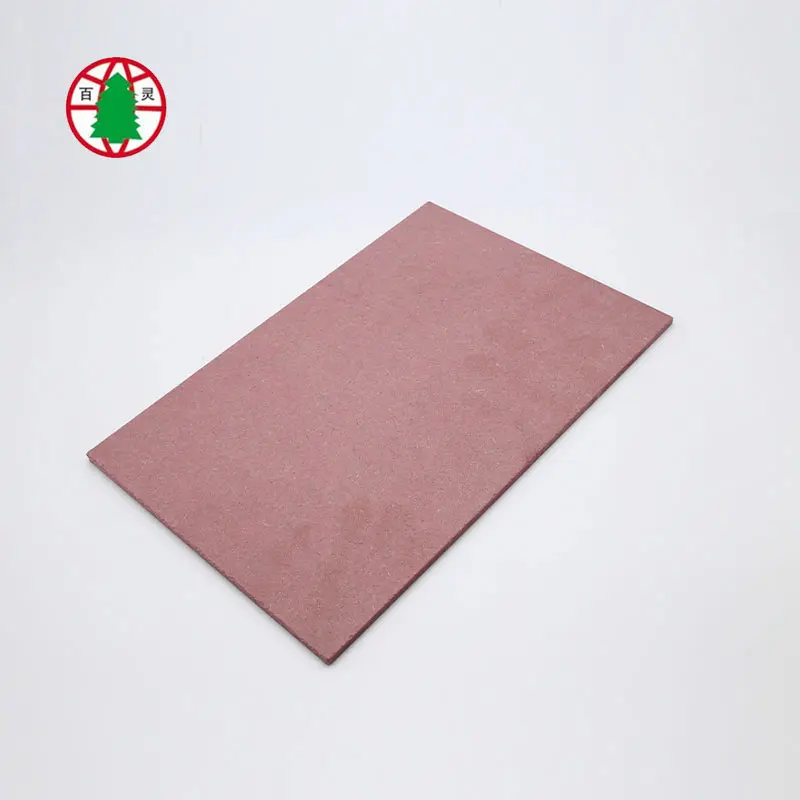
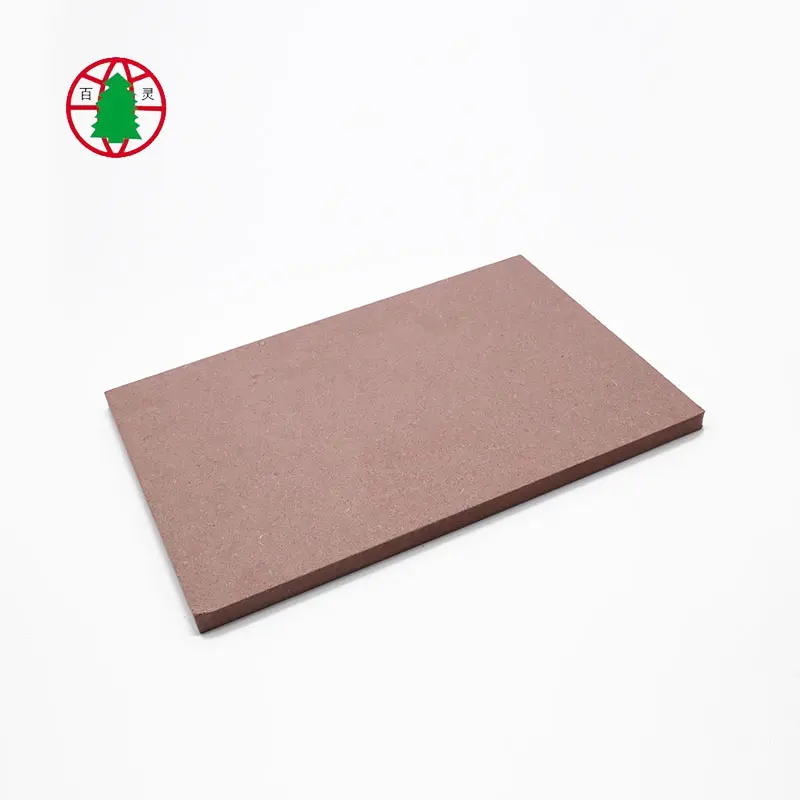
Fireproof MDF is a medium density fibreboard with fire-retardant additives blended into the fibre before pressing, so the whole board thickness is treated rather than just the surface. It behaves like ordinary MDF on the bench — same density, same machining, same finish — but it slows ignition and limits flame spread in a way that untreated board does not. The reason buyers specify it is rarely aesthetic: it is written into the fire strategy of a building, and the panel has to be able to show it.
An important boundary to state plainly: fire-retardant MDF is not fireproof in the absolute sense, and it does not replace a rated assembly. What it does is improve the reaction-to-fire performance of the panel itself, which is one input to the overall assembly. The classification you can claim depends on the test standard your market requires — tell us the standard and the destination country at enquiry stage and we will confirm which grade we can supply against it.
Technical specification
| Panel size | 1220 × 2440 mm |
| Thickness | 12 mm standard; other thicknesses on request |
| Treatment | Fire-retardant additive in the fibre, through-thickness |
| Adhesive | E1 / E2 / E0 |
| Surface | Sanded both faces, ready for laminate, paint or veneer |
| Certification | CE, ISO 9001, FSC, CARB |
| MOQ | 1 × 20GP container |
| Lead time | 15 – 20 days |
| Origin | Shouguang, Shandong, China |
Where it is normally specified
- Public buildings and commercial interiors — lobbies, corridors and circulation areas where the fire strategy limits combustible linings.
- Wall panels, partitions and ceiling features in hotels, offices, schools and theatres.
- Furniture in fire-sensitive areas: reception desks, fixed seating, display joinery and fitted wardrobes in hotel guest rooms.
- Escape routes and protected lobbies, where the lining specification is set by the approving authority rather than the designer.
- Transport and marine interiors with their own reaction-to-fire requirements.
What changes on the bench
Machining is essentially the same as plain MDF: same cutters, same feed rates, same edge quality. Two differences are worth flagging to the workshop. The board is slightly more abrasive because of the mineral additive, so tool life between sharpening can be shorter on high-volume runs. And the core is often tinted, which means a cut edge will not match a standard MDF edge if the two are used in the same assembly.
Fixings behave normally, but if the panel is part of a rated assembly, follow the tested detail for joints and penetrations — a treated board in an untested fixing arrangement does not deliver the tested result.
Documentation for the approving authority
Fire performance claims live or die on paperwork. When the order is placed against a project that needs to demonstrate compliance, tell us at enquiry stage which certificate is required and for which market; the relevant documentation is issued with the shipping documents rather than requested retrospectively. Certificates held across the range are CE, ISO 9001, FSC and CARB.
Ordering, packing and delivery
Standard MOQ is one 20GP container, with 15–20 days production after deposit and 30% deposit / 70% balance against documents. Panels are packed on standard export pallets with corner protection and stretch wrap.
Frequently asked questions
Is fire-retardant MDF the same as fire-rated board?
Not exactly. The panel carries an improved reaction-to-fire classification, but a “fire-rated” wall, door or ceiling is an assembly with a tested combination of components. The board is one element of that assembly, and the assembly is what the certificate covers.
Does the treatment affect the finish?
No. The surface is sanded and accepts laminate, veneer and paint in the same way as standard MDF. Slight colour variation in the core is normal and does not affect the face.
Can you supply a specific thickness for a rated detail?
12 mm is our standard; other thicknesses are produced to order. If the tested detail specifies a thickness, quote it back to us with the enquiry and we will confirm what we can produce against it.
Which grade should I specify for a hotel project?
That depends on the project’s fire strategy and the local code, not on the panel alone. Send us the specification clause and we will tell you which of our grades can be offered against it.
Requesting a quotation
Send thickness, quantity, destination port and the fire standard the project must satisfy through the contact form. For non-rated interior work, plain MDF or HMR MDF will usually be the cheaper correct answer; the full MDF range lists the options.
Reviews
There are no reviews yet.