
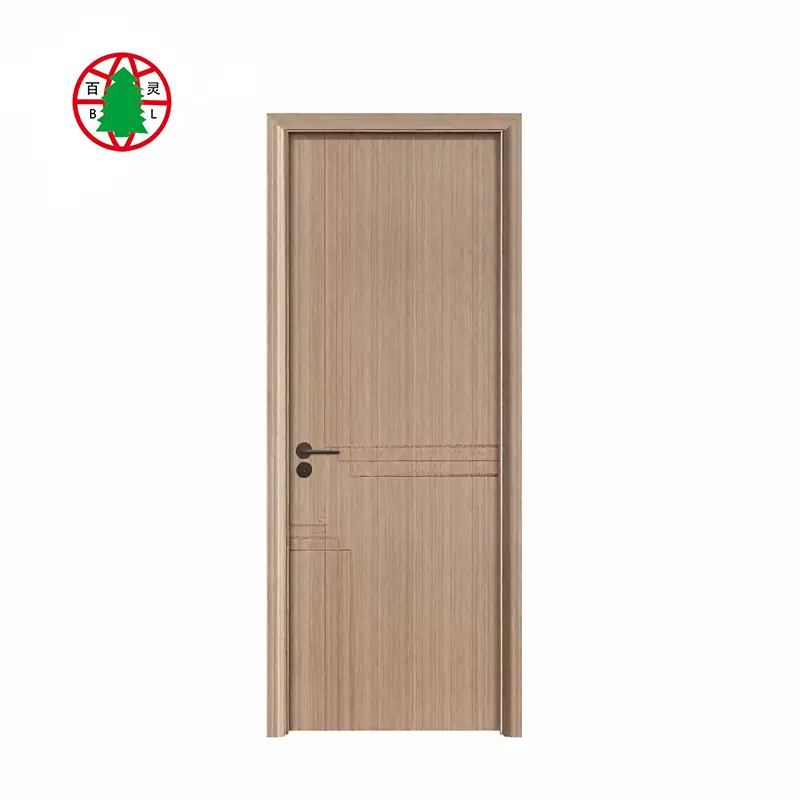
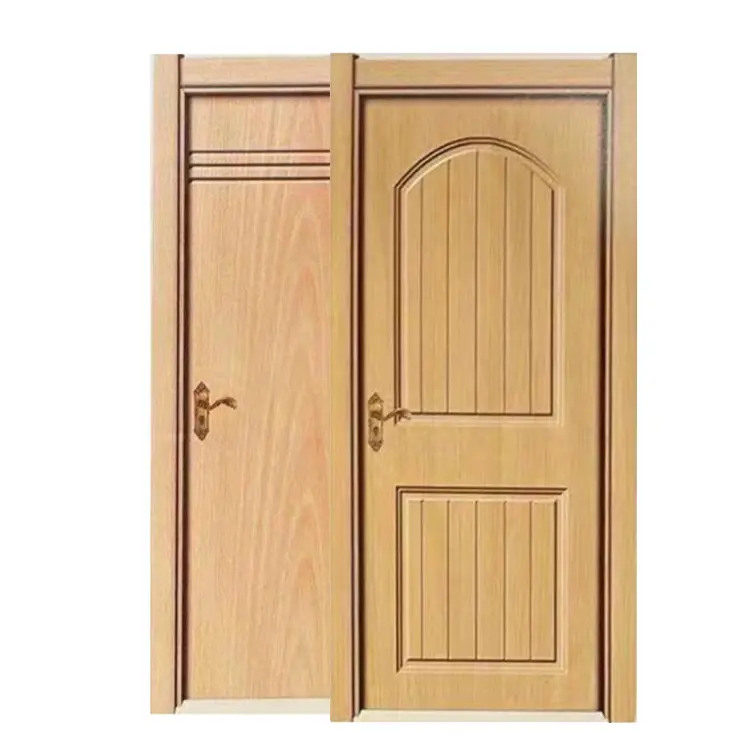
Description
PVC doors: the door for rooms that stay wet
A PVC door is made from polyvinyl chloride rather than timber. That single substitution solves three problems at once: the leaf does not absorb water, it does not feed termites, and it does not corrode. In a bathroom, a laundry room, a kitchen or any coastal building where humidity never really drops, it is the door that keeps working after a timber leaf has swollen and stopped closing.
It is also light. A PVC leaf weighs substantially less than a timber or MDF door of the same size, which makes installation a one-person job and puts less load on the frame and hinges over time.
Technical specification
| Material | Polyvinyl chloride (PVC), hollow or foam-filled core |
| Surface | Smooth decorative PVC finish — texture, pattern or colour |
| Leaf size | Made to project schedule; standard market leaf sizes available |
| Properties | Waterproof, termite-proof, corrosion resistant |
| Maintenance | Wipe clean; no painting or sealing required |
| Grades | Standard, moisture resistant, fire retardant, custom colour/pattern |
| Origin | Shouguang, Shandong, China |
Where PVC is the right specification
- Bathrooms and shower rooms — the primary application, and the one where timber doors fail most visibly.
- Laundry and utility rooms, where humidity is constant and ventilation is often poor.
- Kitchens, particularly in commercial kitchens where doors are washed down.
- Coastal and tropical buildings, where salt air and year-round humidity defeat painted timber.
- Clinics, laboratories and food handling areas, where the surface must be washable.
- Rental and social housing, where low maintenance over a long service life matters more than the look of the grain.
What PVC doors are not
Honesty matters here, because PVC is often oversold. A PVC door does not feel like timber, does not take a paint finish, and cannot be repaired the way a timber door can — a deep scratch or impact mark is permanent. It is also not a structural door: for security entrances and fire-rated assemblies, the specification is different and should be quoted separately.
Where the look of timber is required in a wet room, WPC doors combine wood fibre with polymer and give a more timber-like appearance with similar water resistance. For dry interiors where a painted finish is wanted, a white primer door is the conventional choice.
Installation and hardware
PVC leaves are light, so standard hinges are adequate and installation is straightforward. Two points decide whether the door performs:
- Fix into the frame, not the leaf, for hardware. A hollow PVC core has limited local strength; hinge and lock positions should land on the reinforcing that the leaf is supplied with.
- Allow for thermal movement. PVC expands and contracts more than timber with temperature change. The gap at the closing edge should follow the manufacturer’s figure rather than being set tight, or the door will bind in summer and rattle in winter.
Ordering and delivery
Send leaf size, quantity, colour or pattern reference, hinge and lock handing, and destination port through the contact form. Standard MOQ is one 20GP container with 15–20 days production after deposit. Doors are packed in pairs with corner protection and shipped on edge.
Frequently asked questions
Is a PVC door suitable for an exterior entrance?
For sheltered entrances and utility positions, yes. For a main entrance where security and fire performance matter, a purpose-made entrance door set is required instead.
Can a PVC door be painted?
No — paint does not key to PVC. The colour is chosen at order stage from the available range.
How does it compare with a WPC door?
WPC contains wood fibre, so it looks and feels closer to timber and can be finished to imitate a woodgrain more convincingly. PVC is lighter, cheaper and marginally better at resisting standing water. Both are waterproof.
Will it discolour in sunlight?
UV-stabilised PVC holds its colour well indoors. For doors in direct, sustained sunlight, specify the UV-stabilised grade and confirm the colour with a sample.
Requesting a quotation
Send your door schedule with sizes, quantities, colours and handing through the contact form. The full door range covers PVC, WPC, melamine and primed leaves.
Reviews
There are no reviews yet.