

Description
SPC flooring: stone composite core, click-lock, genuinely waterproof
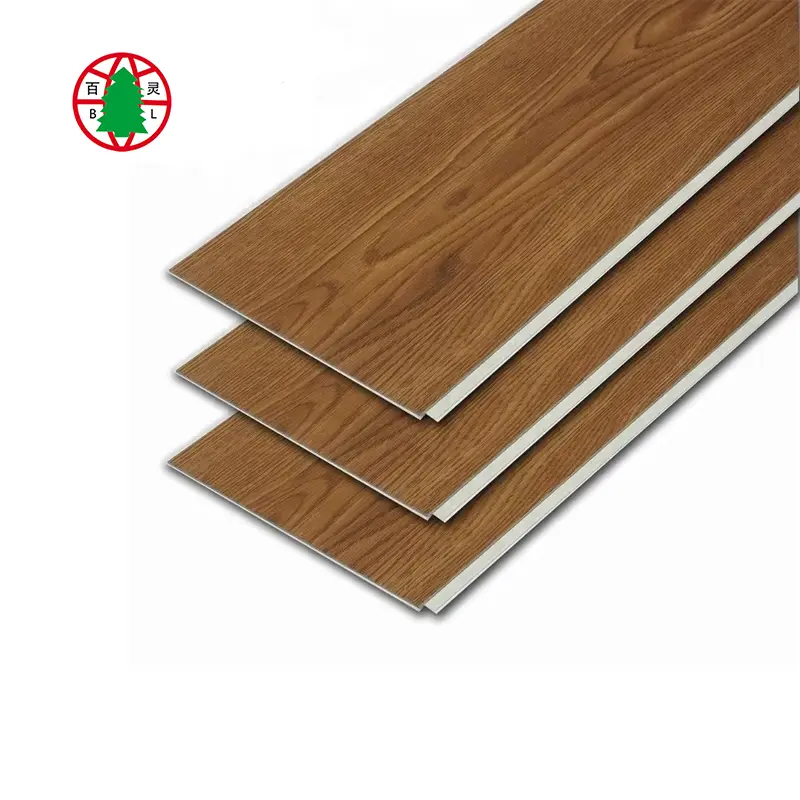
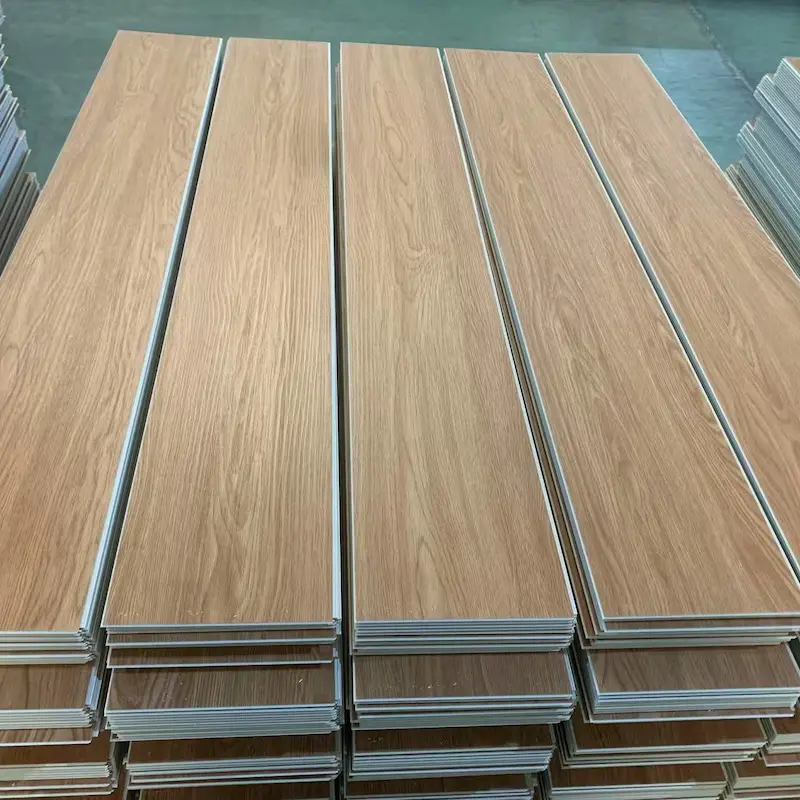
SPC flooring — stone plastic composite — is a rigid floor plank made from limestone powder, PVC and stabilisers. It is not a laminate and not a vinyl tile: the core is mineral-filled and rigid, which is why an SPC floor does not expand, contract or telegraph subfloor imperfections the way a flexible vinyl does, and why it can be installed over most existing hard floors without a plywood overlay.
The performance that sells it is straightforward. It is waterproof through the full thickness, so a spill or a slow leak does not destroy the plank. It locks together without adhesive, so it comes up again if needed. And the wear layer gives it a surface that stands up to commercial traffic.
Technical specification
| Composition | Limestone, PVC and stabilisers; rigid composite core |
| Overall thickness | 4.0 – 8.5 mm |
| Wear layer | 0.2 – 0.5 mm |
| Wear rating | AC3 |
| Installation | Click-lock, floating; no adhesive required |
| Surface textures | Gloss, high gloss, embossed, matte, hand-scraped |
| Properties | Waterproof, fire resistant, dimensionally stable |
| Origin | Shouguang, Shandong, China |
Where SPC is specified
- Hotels and serviced apartments — corridors, guest rooms and bathrooms in one continuous product.
- Offices and co-working spaces, where a floor must survive chairs, trolleys and cleaning machines.
- Retail units and shop floors, including food and beverage areas.
- Residential kitchens, bathrooms and basements where a real timber floor is not viable.
- Clinics, clinics and light commercial fit-outs needing a cleanable, seamless-looking surface.
What the wear layer number means
The wear layer is the transparent film above the decor, and its thickness in millimetres is the honest measure of how long the floor will last. 0.2–0.3 mm is domestic: fine in a home, and it will show traffic patterns in a busy commercial entrance within a few years. 0.5 mm is commercial grade, and it is the number to insist on for a hotel corridor or a retail floor.
AC3 is the abrasion class, and it describes resistance to foot traffic and surface wear. It is a useful filter, but it does not replace the wear-layer figure — two floors can both be AC3 and differ substantially in how long they last under real use.
Installation and the subfloor
SPC is a floating floor: planks lock to each other, not to the substrate, and the whole floor moves as one panel. That has two consequences worth planning for.
- The subfloor must be flat, typically within 2–3 mm over 2 m. Self-levelling compound is usually cheaper than the call-back caused by a hollow-sounding plank.
- Expansion gaps are required at every wall and fixed object. A rigid plank with nowhere to go will lift at a joint. Skirting or scotia covers the gap.
Underlay with a built-in vapour barrier is standard over concrete; over timber subfloors, check that the joists are sound and that the boards are fixed down without movement. A door threshold that was fine for carpet will usually need trimming for a 6 mm plank plus underlay.
Cleaning and service life
SPC does not need sealing, polishing or waxing. Damp mopping with a pH-neutral cleaner is sufficient; steam cleaners and abrasive pads will dull the wear layer and are the most common cause of a floor looking worn before its time. Individual planks can be replaced by unlocking the run back to the damaged board, which is an advantage over a glued floor.
Where a timber floor is required and moisture is not a concern, hard board is used as an underlay beneath other finishes. For wall surfaces in the same project, see WPC wall panels and UV marble sheet.
Ordering and delivery
Send the area in square metres, plank size and thickness, wear layer, texture and destination port through the contact form. Standard MOQ is one 20GP container with 15–20 days production after deposit. Allow 5–8% for cutting waste on a standard room layout, more for diagonal or herringbone patterns.
Frequently asked questions
Is SPC the same as vinyl (LVT)?
Related but different. LVT is flexible; SPC has a rigid mineral core. SPC is more stable over temperature change and hides subfloor variation better, but it is less forgiving over an uneven floor than a flexible product plus underlay.
Can SPC be laid over tiles?
Yes, provided the tile surface is flat and the grout lines are not so deep that they telegraph. A thin underlay bridges minor grout lines.
Is it suitable for a bathroom?
Yes — the core is waterproof. The limitation is the subfloor and the joints: water that sits on the surface is fine, water that gets underneath through an unsealed perimeter is not.
Does it need underlay?
Most SPC planks have an attached acoustic backing for domestic use. For commercial installations and over concrete, a separate underlay with a vapour barrier is normal.
Requesting a quotation
Send area, specification and destination port through the contact form. The full SPC flooring range covers the thicknesses and textures above.
Reviews
There are no reviews yet.